
Whole-Home Water Filtration Installation vs. Point-of-Use Systems
Clean, good-tasting water is something most homeowners expect every time they turn on a faucet. Yet the quality of household water can vary depending on the water source, local treatment methods, plumbing, mineral content, and other factors.
When homeowners decide they want better water quality, one of the first questions is what type of filtration system makes the most sense.
Two of the most common options are whole-home filtration systems and point-of-use systems. Both can improve water quality, but they serve different purposes. Choosing between them depends on what you want to filter, how much water you need treated, and whether you want filtered water available at one location or throughout the entire house.
Understanding the differences can make it much easier to choose the right solution.
What Is a Point-of-Use Water Filter?
A point-of-use system treats water at a specific location.
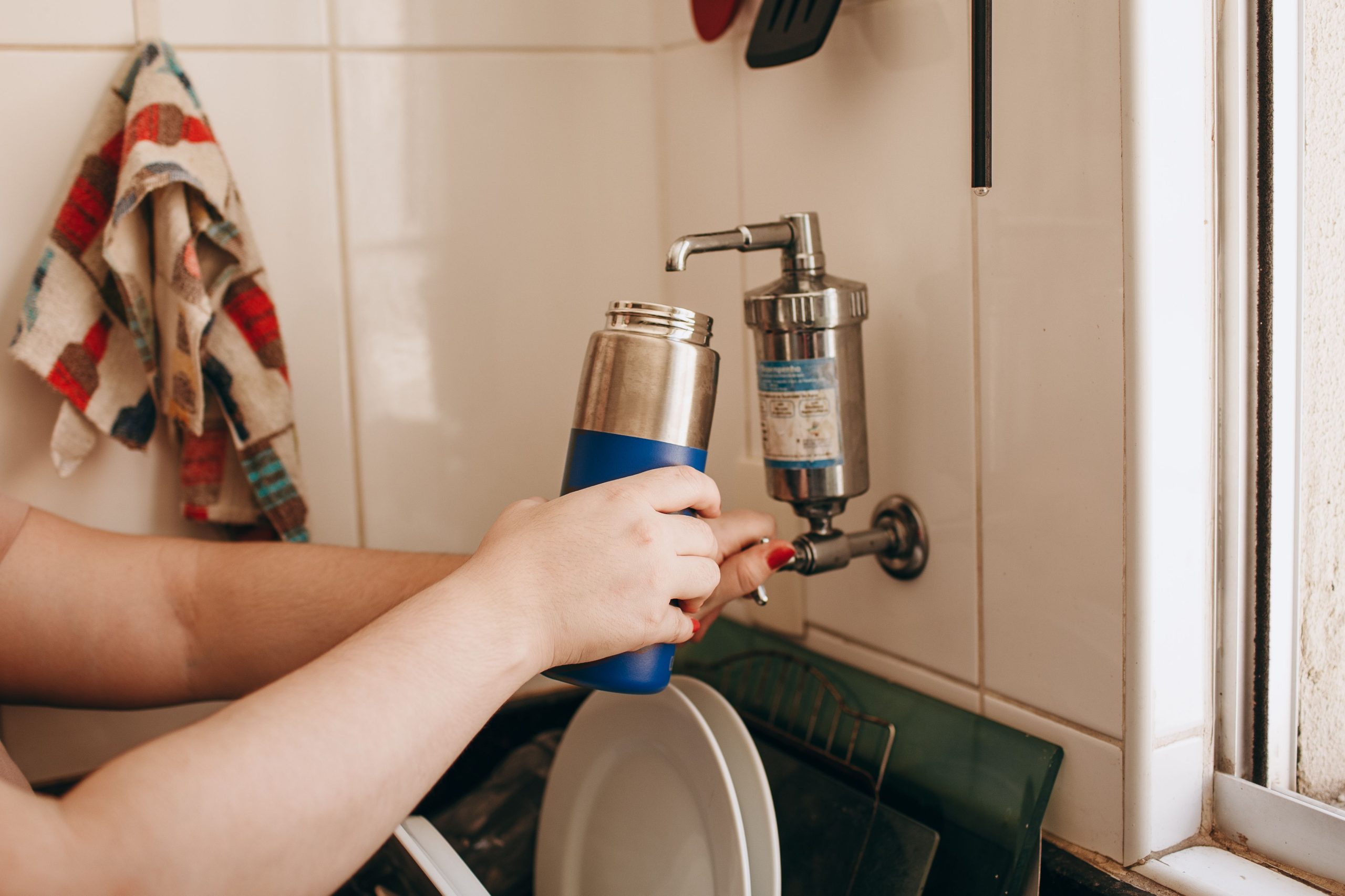
For example, an under-sink filter may provide filtered water only at the kitchen faucet. A refrigerator filter treats the water used for drinking and ice. Faucet-mounted and countertop filters are other common examples.
These systems can be a practical choice when the primary goal is improving the taste, smell, or quality of drinking water.
Because they only treat water at one location, point-of-use systems are usually smaller and simpler than whole-home filtration systems.
They may also be less expensive upfront.
For someone who is mainly concerned about the water used for drinking and cooking, a point-of-use filter may provide exactly what is needed without filtering every gallon used elsewhere in the home.
What Is a Whole-Home Water Filtration System?
A whole-home system, sometimes called a point-of-entry system, filters water as it enters the house.
That means filtered water can be supplied to multiple fixtures throughout the home, including kitchen sinks, bathroom faucets, showers, washing machines, and other plumbing fixtures.
Instead of treating only the water you drink, the system addresses water used throughout the household.
This can be especially appealing when homeowners are dealing with concerns that affect more than taste.
For example, excessive sediment, odors, chlorine, or certain minerals can influence showering, laundry, plumbing fixtures, and appliances in addition to drinking water.
A whole-home system provides a broader approach.
Consider What Problem You Are Trying to Solve
Before choosing a filtration system, it is important to identify the actual concern.
Not all water problems are the same, and not all filters remove the same substances.
Some homeowners may want to reduce chlorine taste and odor. Others may be concerned about sediment, hardness, iron, sulfur odors, or particular contaminants.
The right system depends on the water itself.
A water test can help determine what is present and whether treatment is actually necessary.
Once the problem is identified, homeowners can choose a filtration method designed specifically for that issue rather than buying a system based only on marketing claims.
When a Point-of-Use System May Be Enough
A smaller filter may be the better choice when the concern is limited to drinking or cooking water.
Point-of-use systems may make sense when:
- The home’s overall water quality is acceptable
- The primary concern is taste or odor at the kitchen sink
- Only a small amount of filtered water is needed each day
- The homeowner wants a lower initial cost
- The property is a rental or temporary residence
- There is no need to treat water used for bathing or laundry
- Space or plumbing access makes a larger system impractical
These systems can also be useful in combination with other treatment methods.
For example, a homeowner might use one type of treatment for the entire house and an additional under-sink system for drinking water.
When Whole-Home Filtration Makes More Sense
Whole-home filtration becomes more attractive when the water issue affects multiple areas of daily life.
If sediment is entering plumbing fixtures throughout the home, filtering only the kitchen faucet will not protect showers, toilets, washing machines, or other fixtures.
Similarly, if chlorine odor is noticeable when bathing, a drinking-water filter will not address the problem.
A whole-home system may be more appropriate when homeowners want consistent filtration throughout the property.
It may also help reduce the amount of sediment or other unwanted material passing through household plumbing.
Depending on the type of system installed, this can help protect fixtures and appliances from certain types of buildup.
Installation Is an Important Difference
Most point-of-use filters are installed at or near the fixture they serve.
Some can even be installed by homeowners with basic tools, although more advanced systems may require plumbing work.
Whole-home systems are different.
They are usually installed on the main water line so that incoming water passes through the filtration equipment before traveling throughout the house.
That makes proper installation especially important.
The system must be sized correctly, installed in an appropriate location, and connected without creating unnecessary restrictions in water flow.
Homeowners considering a professional water filtration service can have their water quality, household needs, available space, and plumbing configuration evaluated before deciding which type of system is appropriate.
A properly selected system should improve water quality without creating new problems.
Think About Water Pressure and Flow
One concern with any filtration system is water flow.
Filters create some resistance as water passes through the filtration media.
If a system is undersized, poorly maintained, or excessively clogged, homeowners may notice a reduction in water pressure.
This is particularly important with whole-home systems because they must accommodate water demand from several fixtures at the same time.
A family may use a shower, washing machine, and kitchen faucet simultaneously.
The filtration system needs to handle that flow without significantly affecting normal household water pressure.
This is one reason system sizing matters.
Maintenance Requirements Should Be Part of the Decision
Every filtration system requires some form of maintenance.
Filters eventually become saturated with the material they are designed to capture.
Cartridges may need replacement, media may need servicing, and certain systems may require periodic cleaning or sanitizing.
Point-of-use filters often have relatively simple maintenance schedules because they treat smaller volumes of water.
Whole-home systems handle significantly more water, so maintenance requirements vary depending on the equipment.
Before installing any system, homeowners should understand:
- How often filters or media need replacement
- What replacement parts cost
- Whether maintenance can be handled by the homeowner
- How to recognize when the filter is becoming clogged
- Whether the system needs professional servicing
- How much space replacement components require
Ignoring maintenance can reduce filtration performance and may eventually restrict water flow.
Cost Is More Than the Purchase Price
Point-of-use systems usually cost less initially because they are smaller and treat less water.
Whole-home filtration systems generally involve higher equipment and installation costs.
However, upfront price should not be the only consideration.
A homeowner who installs filters on several sinks, showers, and appliances may eventually spend more than expected on replacement cartridges.
On the other hand, a whole-home system may be unnecessary if the only goal is improving drinking water at one faucet.
The best value comes from matching the system to the actual need.
It is also wise to consider long-term maintenance costs, replacement filters, expected lifespan, and water usage.
One System Is Not Automatically Better
There is no universal winner in the whole-home versus point-of-use debate.
For one household, an under-sink filter may be all that is necessary. Another household may benefit from treating every gallon entering the home.
Some may even need both.
The right decision begins with understanding the water problem, deciding where filtered water is needed, and evaluating the amount of maintenance and investment that makes sense for the household.
Water filtration should solve a specific problem rather than simply add another appliance to the home.
By identifying the concern first and choosing equipment designed to address it, homeowners can enjoy better water quality without paying for more filtration than they actually need.
