What First-Time Visitors Look for Before Attending a Church
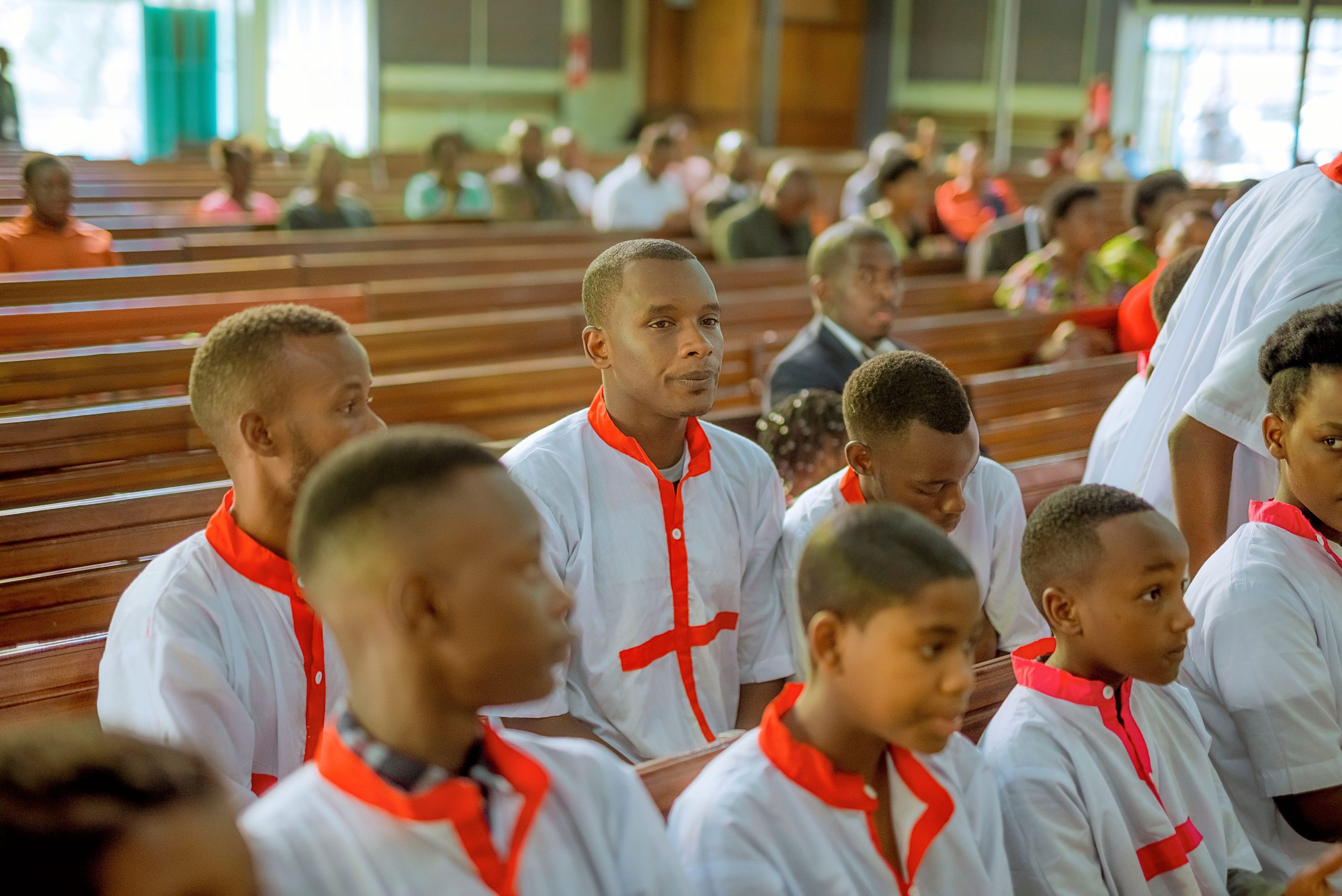
Visiting a church for the first time can feel like a big step.
A person may be searching for a church home, returning to church after many years away, moving into a new community, looking for support during a difficult season, or simply feeling curious about faith.
Before ever walking through the doors, many first-time visitors will look for information online.
They want to know what to expect, whether the church seems welcoming, what the worship service is like, where the church is located, and whether their family will feel comfortable there.
That means a church website often becomes the first introduction a visitor has to the congregation.
Visitors Want to Know the Basics Quickly
First-time visitors usually begin with practical questions.
They want to know when services are held, where the church is located, how long worship lasts, and what happens when they arrive.
If that information is difficult to find, visitors may become frustrated before they ever attend.
Church websites should make basic details easy to locate, including:
- Worship service times
- Street address and directions
- Parking information
- Childcare or children’s ministry details
- Accessibility information
- Contact information
- What visitors should expect during worship
- Any special instructions for first-time guests
The easier it is to answer these questions, the more confident a visitor may feel about attending.
People Want to Know What the Church Is Like
A visitor is not only looking for a schedule.
They are also trying to understand the personality of the congregation.
Website photos, wording, ministry descriptions, and staff information all help communicate what the church is like.
A visitor may be wondering whether the congregation is formal or casual, traditional or contemporary, large or small, family-oriented, community-focused, or strongly centered on a particular ministry.
Clear, honest information helps people decide whether the church may be a good fit.
The goal should not be to make every church sound the same.
Instead, the website should accurately reflect the actual congregation.
Worship Style Matters to Many Visitors
For some people, worship style is one of the first things they want to understand.
A visitor may want to know whether services include traditional hymns, contemporary worship music, liturgy, a choir, a praise band, communion, or other familiar elements.
Others may simply want reassurance that they will not feel out of place.
Including a short description of a typical service can be helpful.
Churches do not need to explain every detail, but visitors often appreciate knowing enough to avoid surprises.
Photos or videos from actual worship services can also provide useful context.
Families Look for Children’s Information
Parents often have additional questions before visiting.
They may want to know whether children stay with parents during worship, whether nursery care is available, what ages children’s programs serve, and how check-in procedures work.
Safety is also important.
Parents may look for information about volunteer screening, classroom procedures, security policies, or pickup requirements.
A church that explains its children’s ministry clearly can help parents feel more comfortable before arriving.
If families cannot find this information online, they may assume the church does not offer what they need.
Visitors Want to See Real People
Stock photography may make a website look polished, but real photographs can help visitors feel more connected.
Photos of actual members, pastors, volunteers, worship services, children’s activities, community events, and ministry gatherings give people a better sense of the congregation.
Visitors want to imagine themselves there.
Seeing real people helps them understand what the church community actually looks like.
This does not mean every photo needs to be professionally produced.
Natural, well-lit images that accurately represent church life can often be more meaningful than generic stock photos.
Beliefs Should Be Easy to Understand
For many visitors, theology matters deeply.
They may want to know what the church believes about Scripture, Jesus Christ, salvation, baptism, communion, marriage, worship, or other important topics.
A clear statement of beliefs can help visitors understand the church before attending.
This is especially important for people who are already familiar with Christianity and are looking for a congregation that aligns with their convictions.
At the same time, belief statements should be written in a way that ordinary visitors can understand.
Heavy theological language without explanation may confuse people who are newer to the faith.
The Website Should Feel Current
An outdated website can create uncertainty.
If the homepage promotes an event that happened six months ago or lists a staff member who is no longer at the church, visitors may wonder whether the rest of the information is accurate.
Keeping the website updated signals that the church is active and paying attention.
Important areas to review regularly include service times, staff information, upcoming events, ministry schedules, contact details, and announcements.
Even a simple website can make a strong impression when the information is accurate and current.
Mobile Friendliness Is Important
Many first-time visitors will look up a church on their phone.
They may search while sitting in a car, planning Sunday morning, or comparing several churches in the area.
If the website is difficult to use on a mobile device, important information may be hard to find.
Buttons should be easy to tap, text should be readable without zooming, and pages should load quickly.
Service times, directions, and contact information should be especially easy to access from a phone.
Churches that invest in well-organized websites for churches can make it much easier for visitors to find the information they need before deciding whether to attend.
Visitors Look for Signs of Community
People are often searching for more than a worship service.
They may be looking for friendship, spiritual growth, support, opportunities to serve, or a place where their children can build relationships.
Information about small groups, Bible studies, youth ministry, outreach programs, volunteer opportunities, and fellowship events can help visitors understand how they might become involved.
Testimonials or short stories from members can also communicate the sense of community in a personal way.
The goal is to show that church life continues beyond Sunday morning.
Contact Information Should Be Easy to Find
Some visitors prefer to ask questions before attending.
They may want to know about accessibility, children’s programs, membership, transportation, or a specific ministry.
A phone number, email address, or contact form should be easy to locate.
Churches should also make sure someone is actually monitoring those communication channels.
A welcoming website loses some of its effectiveness if messages go unanswered.
First Impressions Can Reduce Anxiety
Walking into an unfamiliar church can feel intimidating.
Visitors may wonder where to sit, what to wear, whether they will be expected to speak, or whether they will know what to do during the service.
A website can reduce some of that uncertainty.
Simple explanations such as “Come as you are,” “Children are welcome in worship,” or “You will not be singled out as a visitor” can help people feel more prepared.
The more uncertainty a church can remove before Sunday morning, the easier it may be for someone to take the next step.
A Website Can Open the Door Before Sunday
A church website cannot replace personal relationships or genuine hospitality.
What it can do is make the first visit feel easier.
By providing clear information, real photos, current content, ministry details, beliefs, and practical answers, a church can help visitors understand what to expect before they arrive.
That matters because many people will decide whether to visit based partly on what they find online.
The website is not the church itself.
But for someone considering a first visit, it may be the first doorway they walk through.