
Why Electrical Upgrades Are a Smart Investment for Homeowners
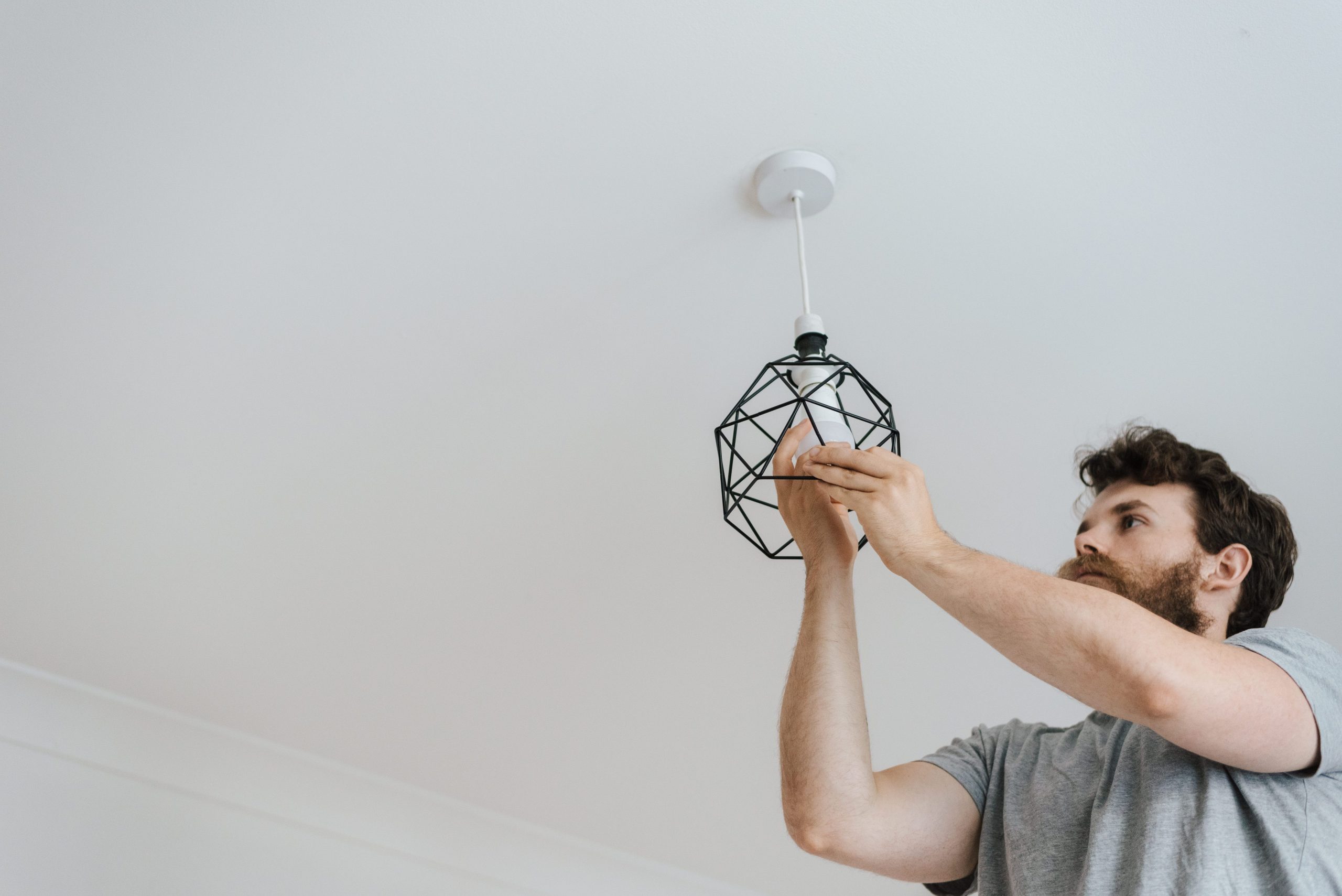
Home improvement projects often focus on what people can see.
New flooring, updated kitchens, fresh paint, landscaping, and remodeled bathrooms can all make a home feel more attractive and modern. But some of the most important improvements happen behind the walls.
A home’s electrical system affects nearly everything from lighting and appliances to heating, cooling, entertainment, security, and everyday convenience. As homes age and technology changes, older electrical systems may no longer be well suited for the way people live today.
That is why electrical upgrades can be a smart investment.
They may improve safety, support modern appliances and electronics, increase convenience, reduce electrical strain, and help prepare a home for future technology.
Older Homes Were Built for Different Electrical Demands
Homes built several decades ago were not designed with today’s electrical needs in mind.
Modern households may use multiple televisions, computers, gaming systems, kitchen appliances, smart-home devices, chargers, security systems, high-efficiency HVAC equipment, and other electronics at the same time.
Older electrical systems may have fewer circuits, limited panel capacity, fewer outlets, and wiring that was never intended to support this level of demand.
That does not mean every older home has an unsafe electrical system.
But it does mean homeowners should pay attention to whether the system is keeping up with current needs.
Repeatedly tripped breakers, overloaded power strips, flickering lights, or a lack of available outlets can all signal that it is time to take a closer look.
Electrical Safety Should Be a Priority
One of the strongest reasons to consider electrical upgrades is safety.
Electrical problems can create shock hazards, damaged equipment, or fire risks.
Wiring and electrical components can deteriorate with age, especially if previous repairs were not performed correctly.
Homes may also contain outdated components that do not provide the same protections available in newer systems.
Potential warning signs include:
- Frequently tripping circuit breakers
- Warm or discolored outlets
- Burning or unusual electrical odors
- Buzzing or crackling sounds
- Flickering lights
- Loose outlets or switches
- Sparks when using plugs
- Extension cords being used as permanent wiring
- Breakers that will not remain reset
- Outlets that stop working unexpectedly
These symptoms should not be ignored.
Electrical issues can sometimes appear minor while indicating a larger problem elsewhere in the system.
A Modern Electrical Panel Can Support Today’s Home
The electrical panel distributes power throughout the house.
As homeowners add new appliances, remodel rooms, install larger HVAC systems, or introduce new technology, the electrical demand may increase.
In some cases, an older panel may not have enough capacity or available circuits for those additions.
A panel upgrade may provide more room for dedicated circuits and help the electrical system better support modern household needs.
It can also become important when planning major improvements such as a kitchen renovation, home addition, electric vehicle charger, hot tub, or workshop.
The correct panel size depends on the home’s actual electrical load, so this is something that should be evaluated rather than guessed.
More Outlets Can Improve Both Safety and Convenience
Many older homes simply do not have enough electrical outlets.
That often leads to heavy reliance on extension cords, outlet splitters, and power strips.
These devices can be useful temporarily, but they are not always a good substitute for properly located permanent outlets.
Adding outlets can make a home easier to use while reducing the temptation to overload existing circuits.
Some homeowners may benefit from adding:
- Additional kitchen outlets
- Bedside outlets
- Dedicated appliance circuits
- Outdoor receptacles
- Garage outlets
- USB-equipped outlets
- Home office connections
- Outlets for wall-mounted televisions
The goal is to make the electrical layout better match how the home is actually being used.
GFCI and AFCI Protection Can Improve Safety
Modern electrical systems include safety devices designed to reduce specific hazards.
Ground-fault circuit interrupters, commonly called GFCIs, are designed to shut off power quickly when they detect current flowing where it should not.
They are commonly used in areas where electricity and moisture may come into contact, such as bathrooms, kitchens, garages, basements, and outdoor locations.
Arc-fault circuit interrupters, or AFCIs, are designed to detect certain types of dangerous electrical arcing that can contribute to fires.
Depending on the age of the home and local electrical code requirements, older systems may have less of this protection than newer installations.
Updating protection devices can be an important part of modernizing a home’s electrical system.
Electrical Upgrades Can Support Remodeling Projects
Many remodeling projects affect electrical systems even when electricity is not the main focus.
A kitchen remodel may require new circuits for appliances.
A bathroom renovation may need updated outlets and lighting.
A finished basement may require new wiring throughout the space.
Home additions can significantly increase electrical demand.
Planning electrical work early in the remodeling process can prevent expensive changes later.
It also allows homeowners to think about outlet locations, lighting controls, appliance requirements, and future technology while walls are already open.
That is often much easier than adding electrical features after construction is complete.
Lighting Improvements Can Change the Way a Home Feels
Lighting is one of the most noticeable electrical upgrades a homeowner can make.
Older homes may rely on a small number of ceiling fixtures or lamps plugged into wall outlets.
New lighting layouts can improve visibility, highlight architectural features, and make rooms more functional.
Recessed lighting, under-cabinet fixtures, task lighting, dimmer switches, and outdoor lighting can all improve the way a home is used.
LED lighting can also reduce electricity consumption and typically lasts longer than older incandescent bulbs.
The best lighting plan considers both function and atmosphere.
A kitchen may need bright task lighting, while a living room may benefit from multiple lighting levels.
Smart-Home Technology Often Requires Electrical Planning
Smart thermostats, lighting controls, video doorbells, cameras, automated shades, and other connected devices have become common in modern homes.
Some are easy to install.
Others may require new wiring, neutral wires, dedicated circuits, stronger Wi-Fi coverage, or specific electrical connections.
Homeowners who expect to add smart technology over time can benefit from planning ahead.
Installing appropriate wiring during a renovation can be much easier and less expensive than opening finished walls later.
Electric Vehicles Are Changing Home Electrical Needs
Electric vehicle ownership is creating another reason homeowners are reviewing electrical capacity.
A Level 2 home charging station typically requires a dedicated circuit and sufficient panel capacity.
For some homes, installing an EV charger may be straightforward.
For others, the existing system may need upgrades before the charger can be added safely.
Even homeowners who do not currently own an electric vehicle may consider whether preparing for future charging could make sense during another electrical project.
Future-ready improvements can reduce the amount of additional work needed later.
Electrical Improvements May Increase Buyer Confidence
Homebuyers often pay close attention to major systems.
An attractive kitchen may create excitement, but buyers may become concerned if an inspection reveals outdated electrical components, insufficient capacity, or obvious safety issues.
Updated electrical systems can help demonstrate that a property has been maintained and modernized.
That does not mean every electrical upgrade will produce a direct dollar-for-dollar increase in resale value.
The benefit may instead come from reducing buyer concerns, avoiding repair requests, and making the home more compatible with modern expectations.
Some Electrical Work Is Not a DIY Project
Homeowners can safely handle simple tasks such as changing light bulbs or replacing batteries in devices.
Other electrical work requires much more caution.
Incorrect wiring can create hidden hazards that may not become obvious immediately.
Work involving panels, circuits, wiring changes, or high-voltage equipment should generally be handled by qualified professionals.
An experienced electrician can evaluate the existing electrical system, identify potential concerns, determine whether upgrades are necessary, and perform work according to applicable electrical codes.
That evaluation can be especially important in older homes or before major renovations.
Upgrades Should Be Based on Actual Needs
Not every home requires a complete electrical overhaul.
In many cases, targeted improvements are enough.
A homeowner may need only a few additional outlets, updated safety protection, a dedicated appliance circuit, or improved lighting.
Another property may require a larger panel upgrade or more extensive rewiring.
The best approach is to understand the condition of the current system and identify which improvements provide the most practical benefit.
Investing in the Systems Behind the Walls
Electrical upgrades may not always be as visually dramatic as a new kitchen countertop or freshly painted exterior.
But they can have a significant effect on how safely, efficiently, and conveniently a home functions.
Modern electrical systems support the appliances, technology, lighting, and equipment that homeowners rely on every day.
They also provide an opportunity to prepare for future needs rather than waiting until an overloaded or outdated system becomes a problem.
For homeowners planning renovations or simply looking for meaningful ways to improve their property, electrical upgrades deserve serious consideration.
Sometimes the best investment in a home is the improvement you barely notice once it is working exactly the way it should.