
How to Make Yourself Pee: Simple, Safe, and Effective Techniques That Work

Most people take peeing for granted until the moment they can’t. Whether you’re waiting to give a urine sample at the doctor’s office, recovering from surgery, experiencing anxiety, or just dealing with an unresponsive bladder, learning how to make yourself pee can be a practical and empowering skill.
The inability to urinate on cue can feel frustrating, awkward, or even painful. Your brain may be ready, but your body doesn’t always follow. Thankfully, there are several practical, gentle techniques you can use without medication or invasive tools — to encourage urination naturally.
Let’s look at why this happens and what you can do to help your body cooperate.
Why Can’t I Pee? Common Causes of Difficulty
Urination is a complex process controlled by your brain, bladder, muscles, and nerves working together. When even one part of that system is disrupted physically, mentally, or chemically it can interfere with your ability to go.
Understanding the underlying causes can help you choose the right technique and know when it’s time to seek medical attention.
Possible Causes and Their Effects
| Cause | How It Affects You |
| Dehydration | Without enough fluids, your kidneys slow urine production, leaving little to release. |
| Medication Side Effects | Certain drugs (antidepressants, antihistamines, BP meds) can interfere with bladder signals. |
| Shy Bladder Syndrome | Anxiety in public or pressured settings can prevent pelvic muscles from relaxing. |
| Overfull Bladder | When stretched too far, the bladder may go numb temporarily, delaying urination reflex. |
| Nerve Damage or Enlarged Prostate | Diabetes, spinal issues, or prostate enlargement can physically block or delay flow. |
Simple Sensory Tricks to Help You Pee
Your brain and bladder are closely linked. Sensory signals, like sound or temperature, can help trigger the natural reflex to urinate. These gentle external cues work by mimicking the conditions your body associates with peeing, helping you relax and release more easily. Use them alone or combine them with posture and breathing techniques for even better results.
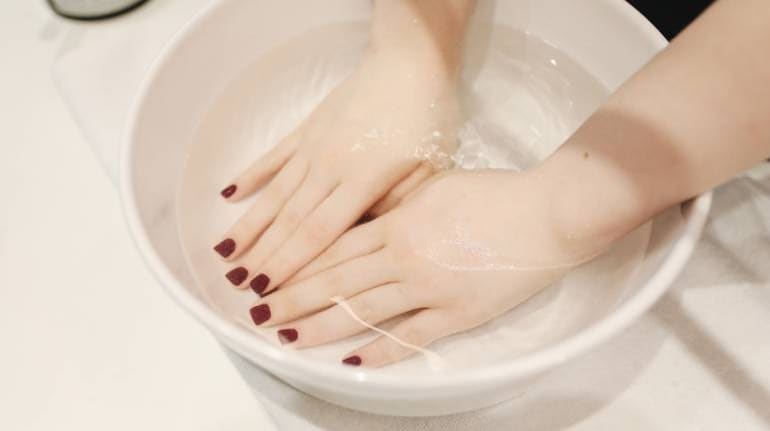
Easy Ways to Prompt Your Bladder
- Running Water Sound: Turn on a sink or shower to simulate urination sounds.
- Hand in Warm Water: A warm bowl can stimulate reflexes almost instantly.
- Peppermint Oil Scent: Known for calming nerves and relaxing muscles.
Best Posture for Natural Urination
Your sitting position can either help or block your ability to pee. Slouching, tensing your belly, or crossing your legs may restrict the flow. Adopting the right posture helps relax your pelvic muscles and supports bladder release.
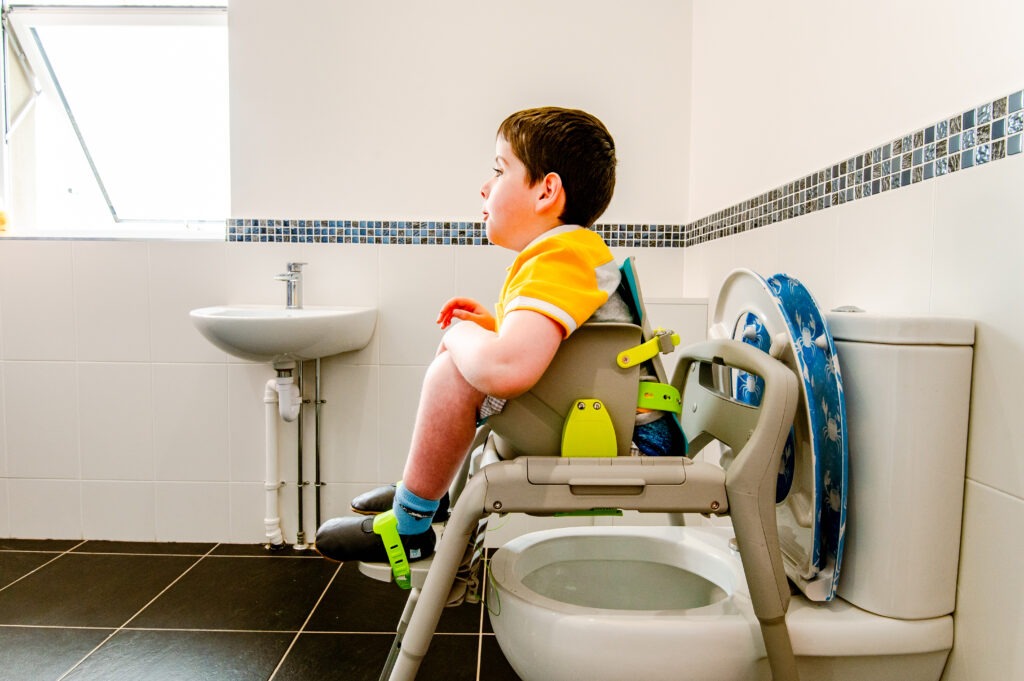
Correct Posture Techniques
- Sit upright with feet flat on the ground.
- Lean forward slightly and rest your elbows on your knees.
- Keep your belly soft and avoid tensing your core.
Gentle Physical Techniques That Help
When posture and sensory tricks don’t work alone, physical stimulation can help encourage your bladder to respond. These methods work by activating the nerves and muscles involved in urination. They’re especially useful when you feel the urge to go but your body seems to hesitate or stall.

Physical Triggers to Use
- Tap Lower Abdomen: Lightly tap above the pubic bone to wake up your bladder.
- Kegel Exercises: Contract and release the pelvic muscles.
- Valsalva Maneuver: Gently bear down without straining.
- Abdominal Massage: Circular hand movements over the bladder area can reduce tension.
These tricks are safe and easy to use anytime especially if you feel an urge but can’t start the flow.
Use Movement to Activate Your Bladder
Motion helps reset body signals and encourage blood flow to the pelvic area. When you move, your muscles and nerves become more responsive, which can gently stimulate your bladder to start working again. These light activities are especially helpful if you’ve been sitting for a long time or just woke up.

Effective Movements
- Walk Around: A short walk can help shift internal pressure.
- March in Place: This wakes up the pelvic nerves.
- Do Light Squats or Hip Circles: These stretch and relax the pelvis.
Regular movement is an easy and natural way to support healthy bladder activity.
What to Eat or Drink to Encourage Urination
Certain foods and beverages support the kidneys and promote bladder release. They work by increasing fluid intake, improving kidney function, or acting as mild diuretics.

Adding these options to your diet can help stimulate urination naturally, especially if you’re mildly dehydrated or your bladder needs a gentle push.
Natural Diuretic Options
- Water: Sip slowly throughout the day.
- Citrus Fruits & Juices: Oranges, lemons, and grapefruits help kidney function.
- Water-Rich Foods: Cucumbers and watermelon hydrate and support urination.
- Herbal Teas: Parsley and dandelion teas are gentle natural diuretics.
- Mild Caffeine: Coffee or green tea may be helpful in small amounts.
How to Make Yourself Pee in 30 Seconds
Sometimes you’re in a hurry. Whether it’s for a test, pain relief, or urgency, these fast-acting methods can help you pee within seconds. These quick techniques are designed to relax your body, stimulate bladder signals, and create the right mental and physical environment for urination. They’re especially helpful when time is short and your bladder won’t cooperate.
Combine These Fast Triggers
- Sit and Lean Forward: This increases pressure on the bladder.
- Turn on Running Water: Let your brain connect to the sound cue.
- Use Warm Water on Your Hand: Often stimulates a bladder reflex quickly.
- Do Kegel Pulses: Quick contractions help wake up your pelvic nerves.
- Visualize a Calm Stream or Waterfall: This mental trick can work surprisingly well.
These are especially useful for medical urine tests or public restroom urgency.
How to Make Yourself Pee Without Water
No access to water? Don’t worry there are still effective techniques that don’t require any liquids. These dry methods rely on physical stimulation, posture, and sensory cues to help activate your bladder naturally. They’re ideal for travel, clinics, or situations where water isn’t available.

Effective Dry Techniques
- Tap the lower belly to stimulate the bladder.
- Rock your hips gently forward and back while seated.
- Contract and relax your pelvic muscles.
- Walk for 1–2 minutes or do light stretches.
- Sniff peppermint oil or visualize urinating in a peaceful environment.
You don’t always need tools or drinks sometimes, posture and nerve triggers are enough.
How to Make Yourself Pee with Food and No Water
Even without access to drinking water, certain foods can help trigger your bladder naturally. These solid foods are rich in natural moisture or contain compounds that support kidney function and gently encourage urination.
While they may not work as instantly as fluids, they can still be effective when combined with posture, movement, or relaxation techniques.

Foods That Help Without Needing Water:
- Cucumber & Watermelon: Both have high water content and act like internal hydration sources.
- Citrus Fruits (Lemon, Orange): Their acidity and vitamin C help stimulate the kidneys.
- Raw Celery: Contains natural sodium and potassium that encourage urine flow.
- Parsley (Fresh or Dried): A natural diuretic that can be added to food.
- Asparagus & Zucchini: Support kidney and bladder health even without added fluids.
Combine these foods with techniques like leaning forward, abdominal tapping, or Kegel exercises for better results when water isn’t available.
When To See a Doctor
Sometimes, even the best methods aren’t enough. You should speak to a healthcare provider if:

- You haven’t peed in 6–8 hours despite trying.
- You feel constant pressure but pass little to no urine.
- You have pain, burning, blood, or fever with urination.
- You experience frequent infections or discomfort while peeing.
These could signal a urinary tract infection, bladder inflammation, kidney issues, or medical obstruction.
Conclusion
Learning how to make yourself pee is a useful life skill especially when your body doesn’t cooperate during stressful, inconvenient, or medical situations. The techniques covered here, from sensory cues and physical movements to food choices and anxiety management, are natural, safe, and effective.
Just remember: don’t panic or force it. Use these steps to work with your body instead of against it. And if nothing works or you’re experiencing pain, don’t wait seek medical advice. Your urinary health is essential for your overall well-being.
Frequently Asked Questions
Q1: Is it safe to try methods like tapping or leaning forward to make myself pee?
Yes, gentle techniques like abdominal tapping, posture changes, and relaxation are safe for most people. Just avoid straining or forcing the flow.
Q2: How long is it okay to go without peeing?
Most people should urinate every 3 to 4 hours. If you haven’t peed in 6–8 hours and feel pressure or discomfort, it’s time to take action or consult a doctor.
Q3: Can food alone really help me pee without drinking water?
Yes. Water-rich foods like cucumber, watermelon, and citrus fruits can hydrate the body internally and gently stimulate urination even without extra fluids.
Q4: Why do I suddenly feel unable to pee in public restrooms?
That’s likely due to shy bladder syndrome (paruresis). It’s a type of anxiety that tightens your pelvic muscles. Deep breathing, privacy, or gradual exposure can help.
Q5: When should I see a doctor for trouble urinating?
See a doctor if you experience pain, blood, or fever, or go 6–8 hours without peeing despite trying. These could be signs of a UTI, blockage, or kidney issue.